What Actually Keeps Mount Dora's Historic District So Scarce
September 10, 2026
September 10, 2026
In June 2026, only three homes were active for sale inside Mount Dora's downtown historic district, on Donnelly, Highland, and Clayton Streets, and they were moving in an average of 16 days. Read that as a hot market and you'd be half right. Read it as pure demand outpacing supply and you'd miss the more useful part of the story.
The scarcity in this pocket of Mount Dora isn't only a function of buyers wanting in. It's also a function of what happens after they close. Once a home inside the historic district changes hands, the new owner runs into a review process that most other Central Florida buyers never encounter, and that process shapes who buys here, how fast inventory turns over, and what a renovation timeline actually looks like once the ink is dry.
Mount Dora's historic district covers a defined set of downtown streets: Helen, McDonald, Alexander, and Donnelly south of 11th Avenue, and Baker, Tremain, Grandview, Gorham, Clayton, Johns, and Highland between 11th Avenue and 1st Avenue, along with the numbered avenues in between. Any building inside that footprint that is more than 50 years old, or that carries its own historic designation from the city, falls under a rule most buyers don't think to ask about until they're already under contract.
The rule is called a Certificate of Appropriateness, and it splits every project into two categories. Interior renovation is not reviewed at all. Gut a kitchen, refinish floors, redo a bathroom, and the city's Historic Preservation Board never sees the plans. But step outside the walls and the calculus changes. New construction, additions, demolition, replacing a front door or window, and even altering a porch or its steps all require the board's sign-off before a building permit can be pulled.
That last part is the piece that trips people up. A Certificate of Appropriateness isn't a parallel approval you can chase down after the fact. It's a prerequisite. A building permit issued without one is invalid, which means a contractor who starts exterior work on the strength of a permit alone is building on paper that doesn't hold up.
Here's how the split actually breaks down:
| Needs a Certificate of Appropriateness | Doesn't need one |
|---|---|
| New construction or additions | Interior renovation of any kind |
| Demolition, full or partial | Routine lawn and landscaping care |
| Replacing exterior doors or windows | Painting that maintains the existing character |
| Altering porches or front steps | Minor repairs that restore rather than change the structure |
| Adding or changing awnings or signage |
The Historic Preservation Board is made up of seven residents appointed by City Council, and most of them own historic homes themselves, so the review isn't coming from people unfamiliar with what a century-old foundation actually requires. But the board only meets once a month, on the last Wednesday, and applications are due roughly three weeks ahead of that meeting.
That cadence means a buyer who closes expecting to start an addition the following week is almost always going to wait. Miss the submission window by even a few days and the project doesn't slip to next week, it slips to next month. For a buyer who budgeted a six-week renovation before move-in, that single monthly gate can double the timeline before a permit is even in hand.
Complex projects can stretch even further. A home between Tremain and Grandview Streets, first owned by a man named Lackey who founded a jewelry store, served as a city councilman, and became Mayor of Mount Dora in 1929 and 1930, went through the board twice for the same renovation. The board approved a Certificate of Appropriateness for exterior improvements in June 2018, and the owner came back in August 2018 for a second certificate covering side and rear additions. One project, two separate board cycles, because the scope was phased rather than submitted all at once.
That's not an edge case. It's a preview of how larger projects tend to move through this system. Anyone planning a substantial renovation on a historic Mount Dora property should expect to interact with the board more than once, and should build that into the budget for time as much as the budget for materials.
For a buyer eyeing a lot with plans to clear the existing structure and build new, there's a sharper version of this friction. The board has the authority to delay a demolition request for up to six months while it explores whether the structure can be preserved instead. That delay isn't automatic, but it's on the table for any request that touches a contributing building inside the review area, and it turns a straightforward demolition timeline into something that has to account for a season's worth of uncertainty.
This is where the market data starts to make more sense. Mount Dora's citywide median sale price sat near $385,000 in early 2026, while the historic district core, the same three-listing, 16-day snapshot from June 2026, barely registers as inventory at all against that broader number. A tight listing count and a fast sale pace usually get read as pure demand. Here, part of the story is supply behavior on the seller side.
A homeowner who wants to flip a property fast, gut it, and relist within a season runs straight into a calendar that doesn't move faster than once a month, plus the very real chance that a planned addition needs two trips through the board instead of one. That math discourages quick-turn renovation and flipping inside the district in a way it doesn't in Mount Dora's newer subdivisions. The buyers who do purchase here tend to be planning to stay, which means fewer of these homes cycle back onto the market in any given year. Scarcity, in other words, is partly built into the rules, not just the appetite.
The upside is that the same board reviewing your project has spent decades protecting the texture that makes streets like Donnelly and Tremain worth a premium in the first place, including landmarks like the Donnelly House, a yellow Queen Anne home from the late 1800s that anchors the district's identity. The friction and the value are the same coin.
A few things worth confirming before you get attached to a specific address inside the district:
Does every home in the historic district need board approval for any change at all? No. The requirement is tied to age and location. A building has to be more than 50 years old and sit inside the defined district, or carry its own historic designation, before the Certificate of Appropriateness rule applies, and even then only exterior work triggers it.
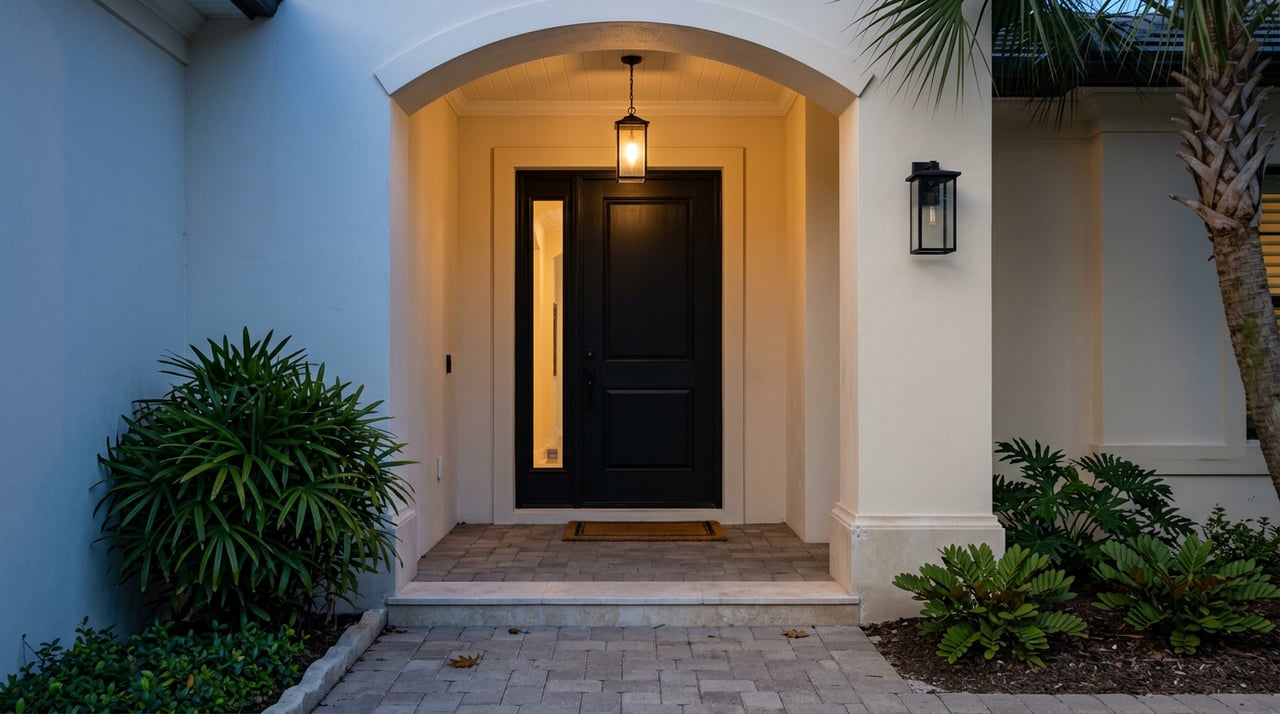
Can I skip the process for something small, like swapping a front door? Not if the change is exterior. Door and window replacements, along with porch and step alterations, are specifically called out as requiring review, even though they can feel like minor updates.
How long should I actually plan for the approval itself? For a straightforward request, one board cycle is typical, meaning roughly a month from submission to decision. For anything phased or complex, plan on more than one cycle, the way the Lackey House renovation needed two separate certificates for two parts of the same project.
Buying or selling inside Mount Dora's historic district rewards patience and rewards working with someone who has actually read the ordinance rather than repeating what a listing description says. If you're weighing a historic Mount Dora property, or comparing it against newer construction elsewhere in Central Florida, Misty Griffin can walk through what a specific address will and won't let you do before you write an offer. Let's connect.
Stay up to date on the latest real estate trends.
Representing the most coveted properties on the market.