What Today’s Orlando Market Means For Sellers
July 2, 2026
July 2, 2026
If you are thinking about selling in Orlando, this market calls for strategy, not guesswork. Buyers are still active, but they are more selective than they were in the ultra-fast market of recent years. The good news is that sellers can still succeed with the right plan, and this snapshot will help you understand what today’s numbers mean for your price, prep, and timing. Let’s dive in.
Orlando’s current housing market looks active but more balanced than overheated. Public May 2026 data points to homes selling in roughly 48 to 66 days, with sale prices generally landing in the high-$300,000s to low-$400,000s.
That range matters because different reports track different areas and methods. ORRA’s Orlando-area data covers a broader regional footprint, while city-level dashboards like Realtor.com and Redfin focus on Orlando itself. The clearest takeaway is simple: homes are selling, but not in a rush-everything-to-market environment.
In plain language, Orlando is closer to a balanced market than a blazing seller’s market. ORRA reported 4.26 months of supply in May 2026, and the association uses six months of supply as the balanced-market benchmark.
That means sellers still have an opportunity, but not a free pass. Realtor.com labels Orlando as balanced, while Redfin describes it as somewhat competitive. Taken together, that suggests buyers are still engaged, but they have more room to compare options and negotiate.
Inventory is not so low that buyers feel forced to bid at any cost. At the same time, it is not so high that sellers lose leverage altogether. ORRA reported 11,531 active listings across its broader Orlando-area footprint, with inventory down slightly from April to May.
New listings also fell 7.1% month over month, and months of supply dipped from 4.62 to 4.26. That tells you demand is still absorbing homes, but your listing needs to compete well on price and presentation.
The market still has real buyer demand. ORRA reported 2,708 sales in May 2026, up 6.5% from the prior month, and Redfin says some Orlando homes still receive multiple offers.
But that demand comes with more caution. Redfin reported that 37.4% of homes had price drops, and homes sold for about 3% below list price on average. In other words, buyers are participating, but they are not rewarding wishful pricing.
If you take one thing from today’s market, let it be this: overpricing can cost you time and momentum. Sale-to-list ratios help tell that story. Realtor.com shows a 98% sale-to-list ratio, and Redfin shows about 96.7%.
That does not mean you should underprice your home. It means your best move is to anchor your price to recent closed comparable sales, not the highest active listing you can find nearby. In this market, buyers have enough choices to skip past a home that feels overpriced.
When a home lingers, buyers often start to wonder what is wrong with it, even when the issue is just price. A later reduction can help, but it may not restore the excitement you could have captured at launch.
That is especially important in Orlando right now because price-drop activity is meaningful. The stronger strategy is usually to enter the market at a realistic number and let your home compete from day one.
Broad Orlando averages can be helpful, but they can also hide important differences. ORRA reported a May 2026 median price of $441,303 for single-family homes and $307,531 for condos and townhomes.
That is a big gap. If you are selling a condo, townhome, or single-family home, you need to compare your property to similar homes, not to a broad city headline. Accurate pricing starts with like-for-like comparisons.
In a more balanced market, condition and presentation matter. ORRA notes that thoughtfully listed properties are still attracting buyer attention, and Redfin reports that hot homes can go pending in around 11 days.
That does not mean every home will move that quickly. It does mean buyers are still responding when a property feels well-prepared, well-photographed, and well-priced.
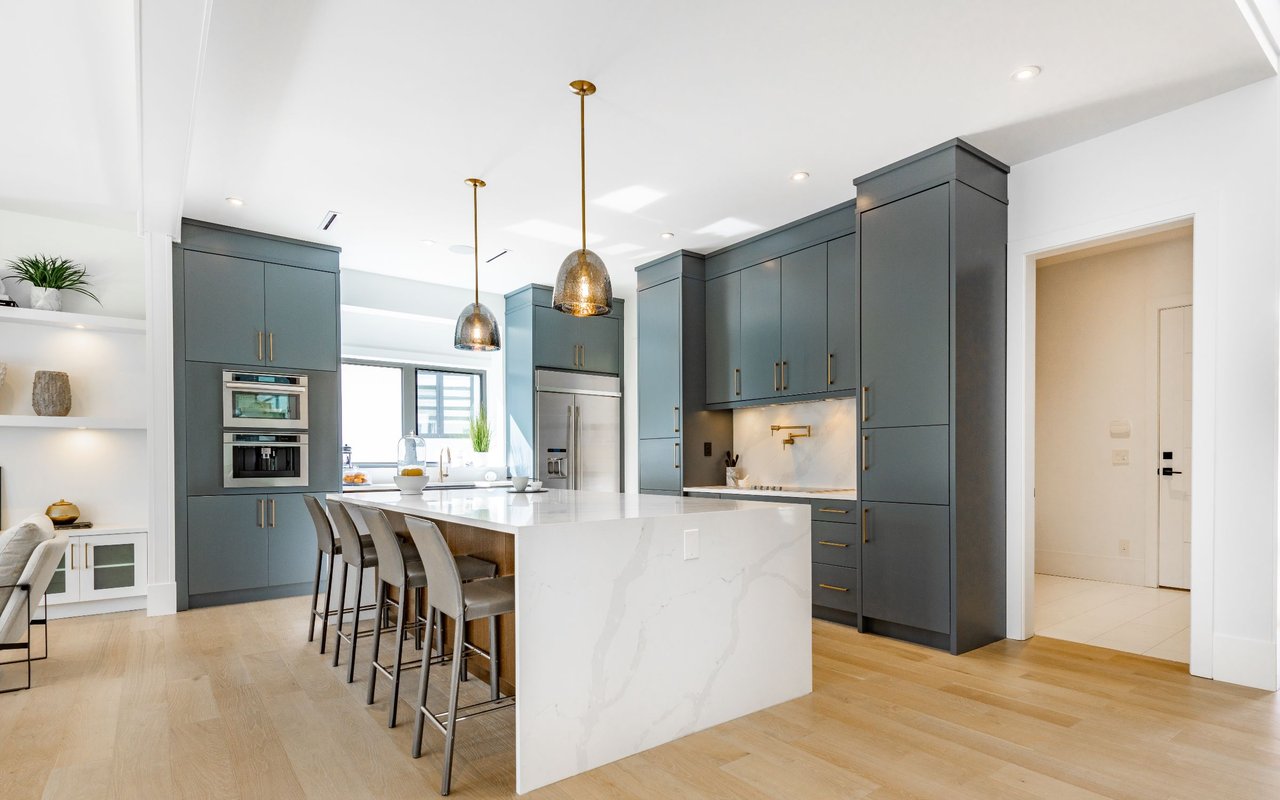
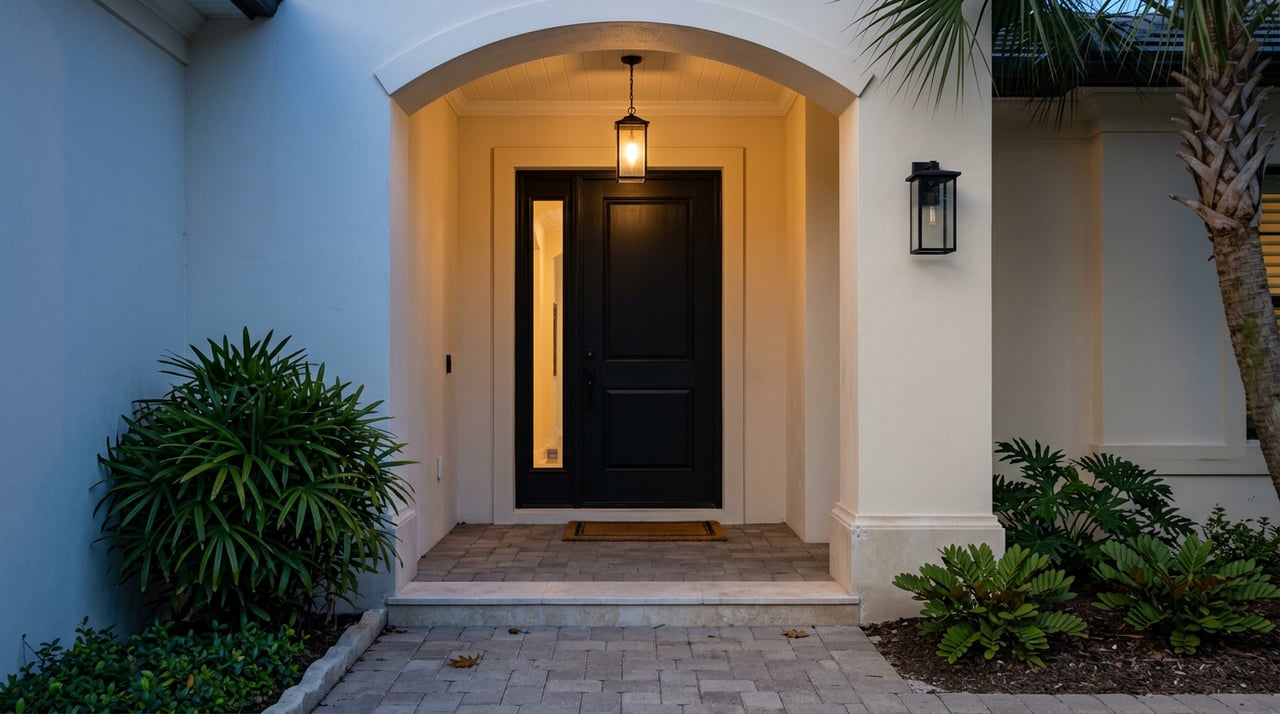
Before listing, it helps to pay attention to the details that shape first impressions:
These steps are not about perfection. They are about helping buyers see value quickly and clearly.
Seasonality still matters in Orlando. ORRA’s May data showed sales rising as the market moved into summer, while inventory and new listings dipped slightly.
That suggests late spring and early summer can still be a solid window to list, especially if you are already preparing to move. The key is not waiting for a “perfect” market that may never arrive. It is entering the market prepared.
Even in an active market, most sellers should expect the process to take time. Public data points to about 48 to 66 days on market, and Florida Realtors reported a statewide median of 43 days to contract and 83 days to sale in May 2026.
That means your timeline should include more than just listing day. You will want a plan for preparation, showings, negotiation, inspections, and closing.
Mortgage conditions still shape buyer behavior. ORRA recorded a 6.5% interest rate in May 2026 and noted that buyers have slightly more negotiating room than in previous years.
For sellers, that does not mean demand has disappeared. It means buyers are doing the math more carefully. Homes that feel move-in ready and appropriately priced are better positioned to stand out.
If you are preparing to sell, today’s market rewards a calm, deliberate approach. You do not need panic pricing, but you also should not expect buyers to stretch far beyond market value.
A smart plan usually includes:
This is still a market where homes can sell well. The difference is that success now comes from pricing discipline, thoughtful presentation, and realistic expectations.
If you want a seller strategy that feels polished, personal, and grounded in what Orlando buyers are doing right now, Misty Griffin is here to help you navigate the process with clarity and care.
Stay up to date on the latest real estate trends.
Representing the most coveted properties on the market.